Brooklyn to Bahia
I began planning my study abroad journey a full year in advance. In January 2024, I set my sights on Brazil — a lifelong dream. (I say here, as I write this from my home in Salvador, Bahia.) Naturally, you may be wondering how I made it happen
First, I explored scholarships and grants specifically for Black and POC students. I consulted with my Study Abroad advisor and researched programs that aligned with my goals. It took weeks to find the right fit. Brazil is vast culturally, geographically, and demographically — and I had clear criteria: I wanted to live in a majority-Black city, near the beach, and to learn Portuguese from a native speaker. While I could have taken a Portuguese course on campus, I was committed to learning from someone rooted in the language and culture. For me, language is inseparable from its cultural context — learning it means honoring the people, history, and rhythms that shape it.
After thorough research, I applied to the Gilman Scholarship and the Fund for Education Abroad. Both required essays and documentation, though neither had a GPA requirement — a relief for many. Each application took 7–10 hours of thoughtful writing, editing, gathering paperwork, and uploading materials. FEA also required a letter of recommendation. After submitting, it became a waiting game. I was awarded both the Gilman Scholarship and the Critical Need Language Award, as well as the FEA grant. Receiving over $10K to study abroad was transformative. As someone who’s never known financial ease, the feeling was both unfamiliar and deeply affirming. This was a milestone I won’t forget.
I found exactly what I was looking for in Salvador: a Black-majority city in the northeast, nestled by the ocean. I arrived in time for A Festa de Iemanjá, a massive public celebration honoring the goddess of the sea, held annually on February 2. Thousands gather to offer flowers and prayers — a stunning tribute. That celebration flowed into pré-Carnaval and then Carnaval itself, a time of vibrant culture and collective joy. Though rooted in the Christian calendar, Carnaval hasevolved into a powerful expression of Afro-Brazilian identity and history.
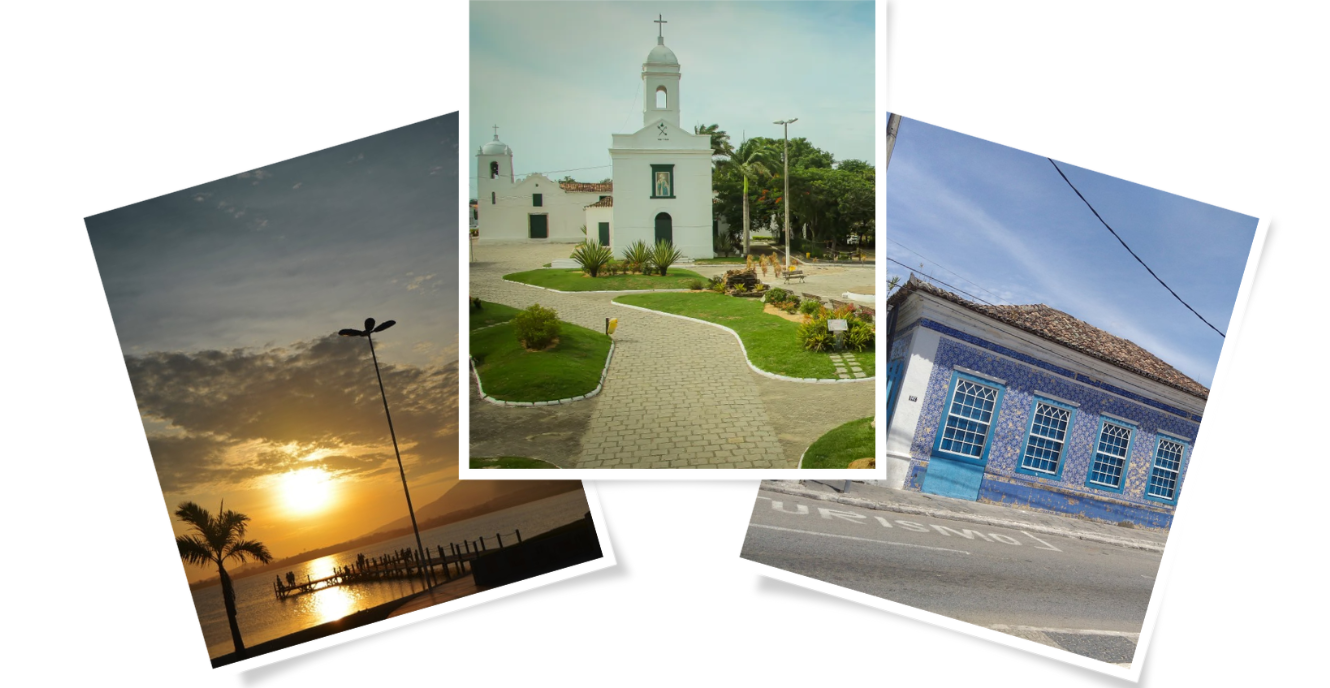
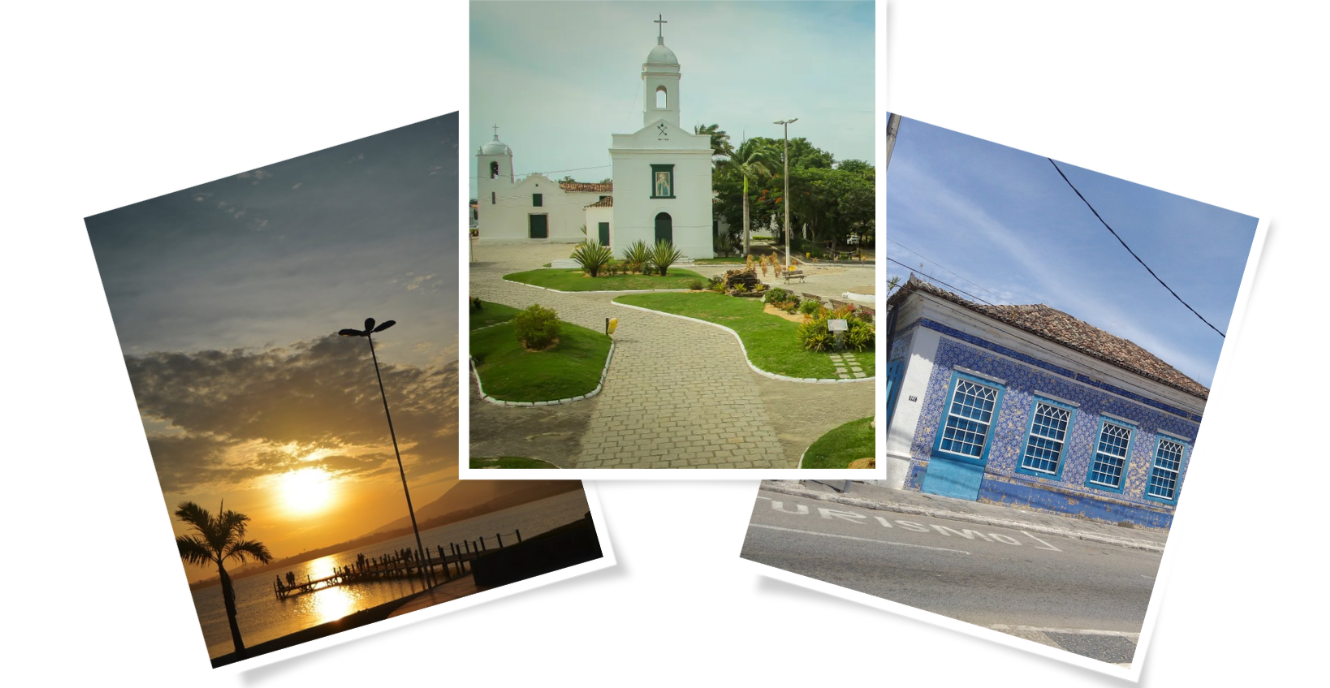
During my time here, I prioritized connecting with community leaders and organizations focused on uplifting Black lives and traditions. I visited Quilombo Tererê on Ilha de Itaparica, where I was welcomed into their cultural center, shared meals, and learned about their legacy of resistance and capoeira. These communities descend from quilombolas—Africans who escaped enslavement and formed self-sustaining, independent settlements. Their survival is a testament to centuries of Black self-determination.
I also traveled to Ilha da Maré, an island with no police presence and a council of ten local leaders who mediate community matters. Despite limited resources and healthcare access, they embody grassroots governance and mutual care. As an abolitionist, it was crucial for me to witness these efforts firsthand. My work is rooted in liberation for all people. And that means recognizing our extended communities in Brazil as integral to our collective freedom, just as much as our CUNY campuses or any other marginalized space. My goal was to listen, learn, and understand the specific visions and strategies these communities are building toward liberation, and how our movements might align
This journey to Brazil was far more than an academic endeavor — it was a deepening of purpose. As a student of fine arts and diasporic studies, and as a community organizer and abolitionist, I came to Salvador not only to learn Portuguese, but to listen deeply to the rhythms, stories, and strategies of Black life here. My time in Bahia expanded my understanding of what freedom-making looks like in practice — beyond theory, beyond borders. Whether through the resistance legacies of quilombola communities or the grassroots governance of Ilha da Maré, I witnessed models of liberation that echo and challenge my work back home. These experiences have reaffirmed my commitment to a transnational vision of abolition and Black self-determination — one that honors ancestral memory, uplifts cultural traditions, and prioritizes collective care.
Studying abroad in Brazil didn’t just align with my academic and career goals — it fortified them. It reminded me that our struggles and triumphs are interconnected, that the work of liberation is global, and that artists, organizers, and scholars alike have a role to play in shaping more just, imaginative futures
Author’s Note: As an intentional stance against white supremacy, I have chosen not to translate the names of people or places into English. This decision challenges the U.S.’s claim to the term “America,”which in truth refers to the diverse nations of Central and South America, and the Caribbean. I invite you to engage with these stories with curiosity and respect, and to explore the rich histories they represent.

About the Author
Aliffer Zamira Sabek graduated from the Borough of Manhattan Community College with a major in Fine Arts and a concentration in Studio Art. She hopes to continue her studies combining her interest in the Fine Arts and Black Studies.