When people think about going abroad in college, study abroad is usually the first thing that comes to mind. A semester in another country, taking classes, traveling on weekends and it’s often framed as the defining global experience.
But it’s not the only one.
For many students, studying abroad isn’t always feasible. It can be expensive, hard to fit into academic schedules, or simply not aligned with what they’re looking for. What often gets overlooked are the other ways students can go abroad. Ways that might be more hands-on, more career-driven, and sometimes even more impactful.
This article will explore three untraditional experiential learning abroad paths. Internships, research, and service-based programs abroad offer a different kind of experience. Instead of simply being in a new place, you are actively engaging with it seeking to answer questions like —What are you doing while you’re there? What are you learning? Who are you becoming?
Internships Abroad: Where Classroom Learning Meets Global Practice
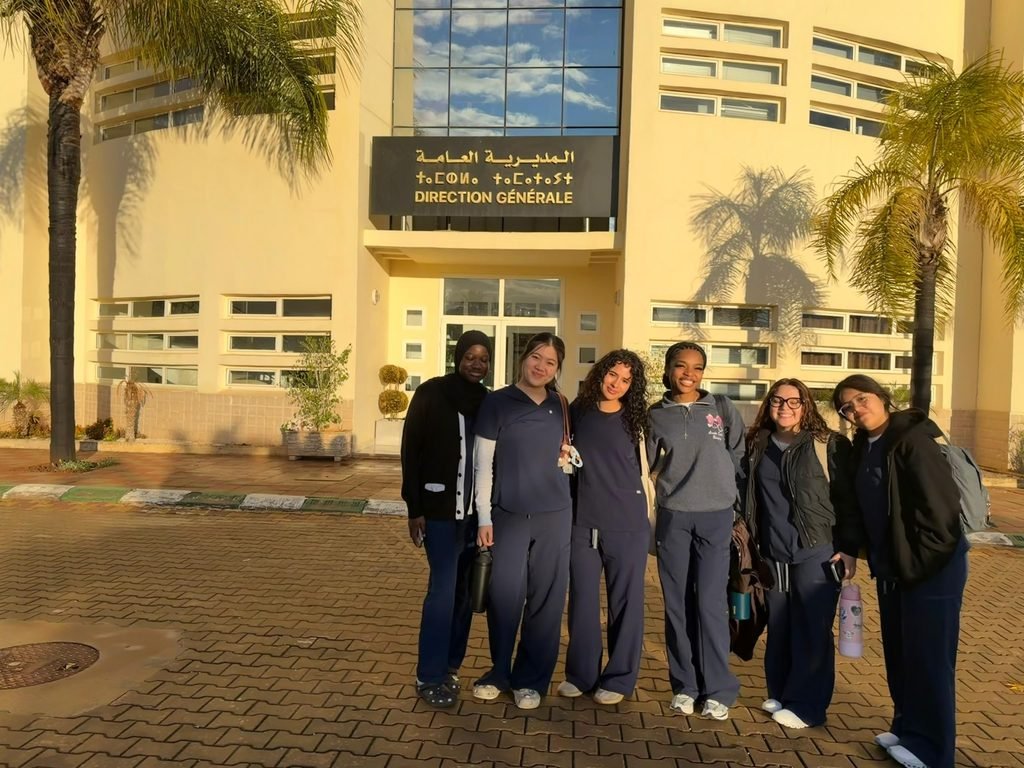
Interning abroad takes what you’ve learned in the classroom and places it directly into a global context. You’re not just observing a different culture, you’re working within it. You’re navigating new professional environments, communicating across language and cultural differences, and gaining insight into how industries operate beyond the U.S.
For many students, it’s also a moment of clarity.
For Susan Lin, a junior at Macaulay Honors College, that moment came during a winter session medical internship in Morocco. Over the course of 25 days, she rotated through hospitals in Fes and Marrakesh, shadowing doctors, observing surgeries, and experiencing a healthcare system entirely different from what she had known.
“I was able to watch C-sections, natural births, even eye surgeries,” she shared. “It was my first time really being immersed in a hospital setting like that.”
What stood out to her wasn’t just the medical exposure, it was the environment itself.
“In the U.S., hospitals feel very sterile and structured,” she explained. “In Morocco, it felt more… human. There was natural light, people waiting outside in an organized way, and everyone in the hospital knew each other. It felt more connected.”
That contrast reshaped how she thought about healthcare. Despite language barriers and systemic differences, one thing remained constant: the universal need for care.
“There’s always a need to help people,” she said. “That was something I really took away from this experience.”
Before the internship, Susan wasn’t fully certain about pursuing medical school. But being placed directly in that environment changed everything.
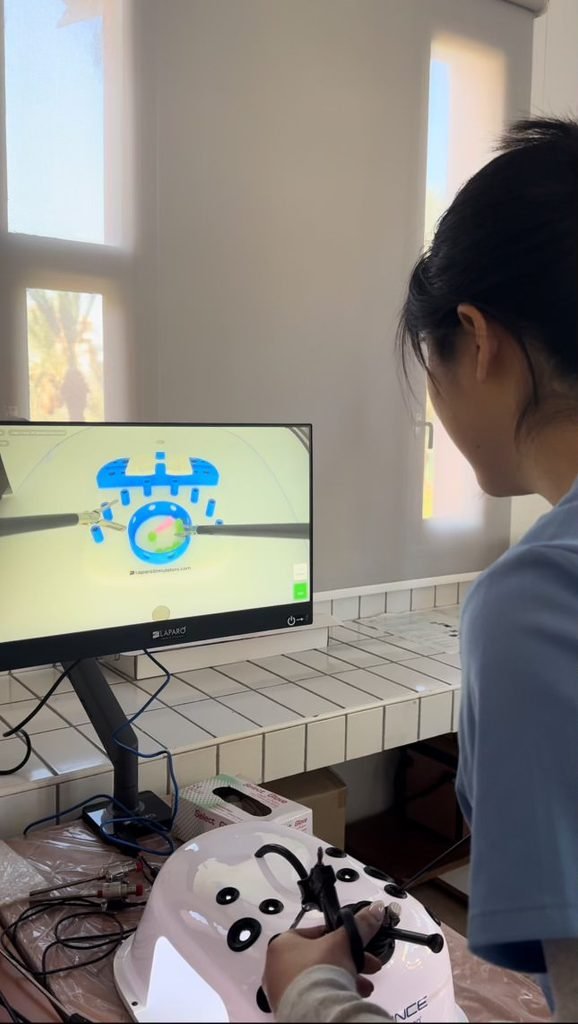
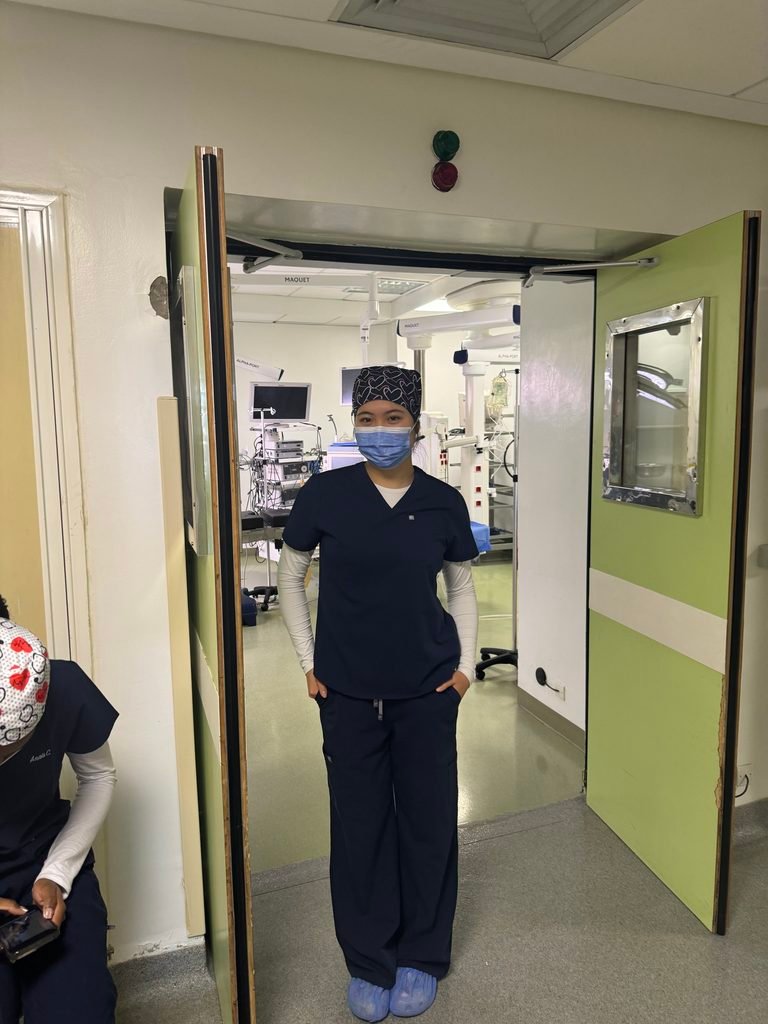
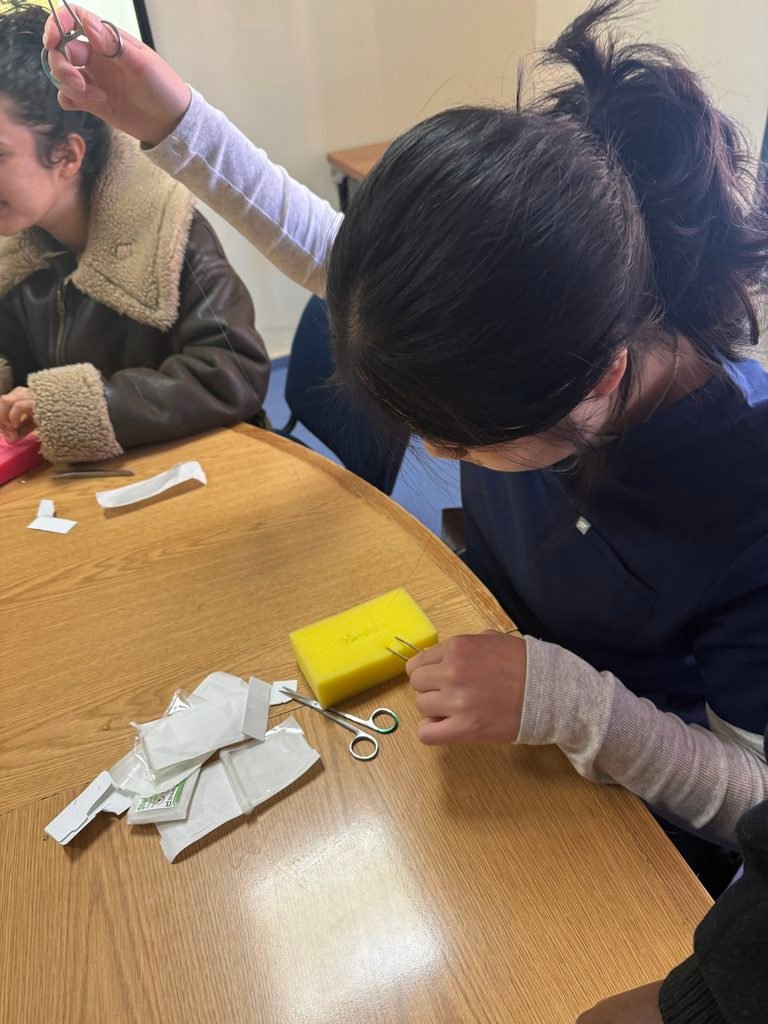
“I came back realizing that I do want to be a doctor,” she said. “It made everything feel more real.”
The experience also expanded her understanding of specialties. While she had previously been interested in anesthesiology, observing ophthalmology procedures that are performed through microscopes with extreme precision, opened her eyes to new possibilities and potential career paths.
Her advice to students considering an internship abroad is simple: “Just apply. You never know where it will take you. And keep an open mind. You’re stepping into a completely different environment, you have to be willing to learn from it.”
Internships abroad don’t just build resumes. They give students the opportunity to test their interests, challenge their assumptions, and see their future careers in a global context.
Research Abroad: Learning Beyond the Classroom
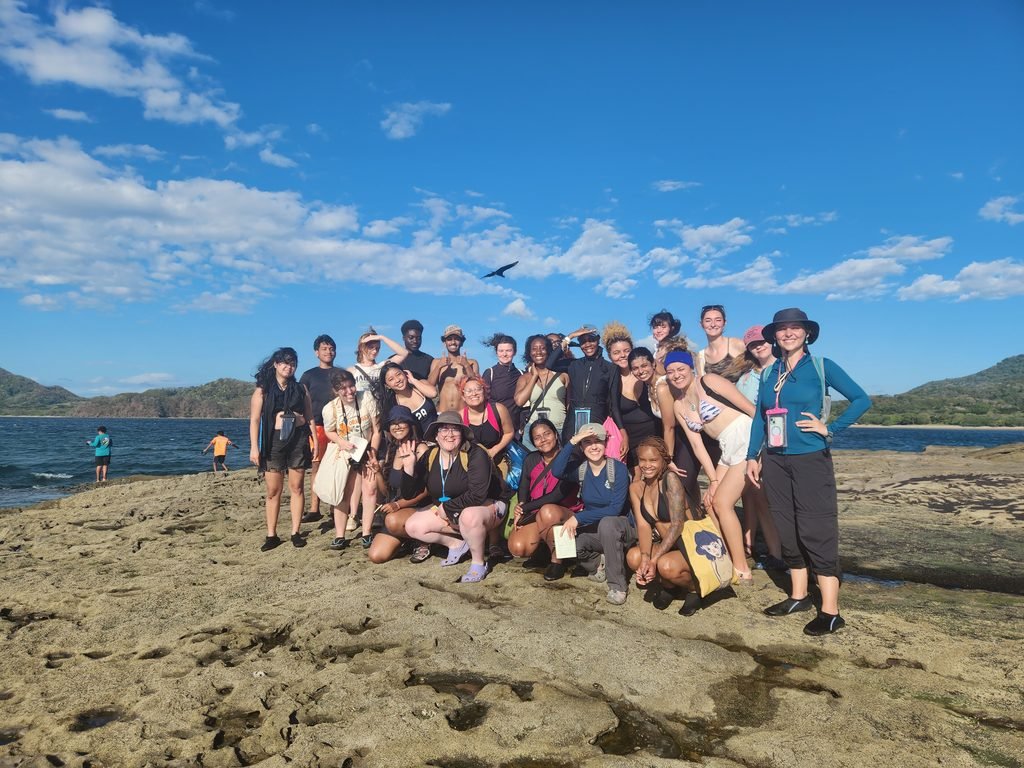
Research abroad offers a different kind of immersion. Instead of working in a traditional professional setting, students engage with global issues through field-based learning. It’s less about following a structured routine and more about observation, exploration, and discovery.
For Heaven Castillo Tejeda, a psychology major at City College, her research experience in Costa Rica through Universidad Veritas was exactly what she had been looking for to get real, tangible experience.
“I didn’t need more classes,” she said. “I needed experience. This program stood out because it offered real fieldwork, something I hadn’t had access to before.”
Before even arriving in Costa Rica, the program began with an online component that introduced students to the country’s biodiversity, geological history, and cultural context. By the time they landed in San José, students weren’t just tourists, they were prepared to engage with the environment in a more informed and intentional way.
Once in-country, the experience moved quickly. Every few days, Heaven and her cohort traveled to a new location, each one offering a different ecosystem and research focus. In Manuel Antonio, she studied mangrove systems and collected plankton samples, learning how water salinity and visibility could indicate ecosystem health. In another region near the Nicaraguan border, she compared intertidal zones at low and high tide, observing how marine life adapted to changing conditions.
“It wasn’t sitting in a lab all day. It was learning by observing, by being outside, by actually experiencing the environment,” she explained.
Some of the most impactful moments came from working alongside ongoing research efforts. In one project, she observed scientists studying stingray populations, documenting abnormalities like rays being born without eyes or tails, issues tied to environmental stress and conservation concerns. In another, she participated in coral restoration, helping attach coral fragments to underwater structures designed to promote regrowth.
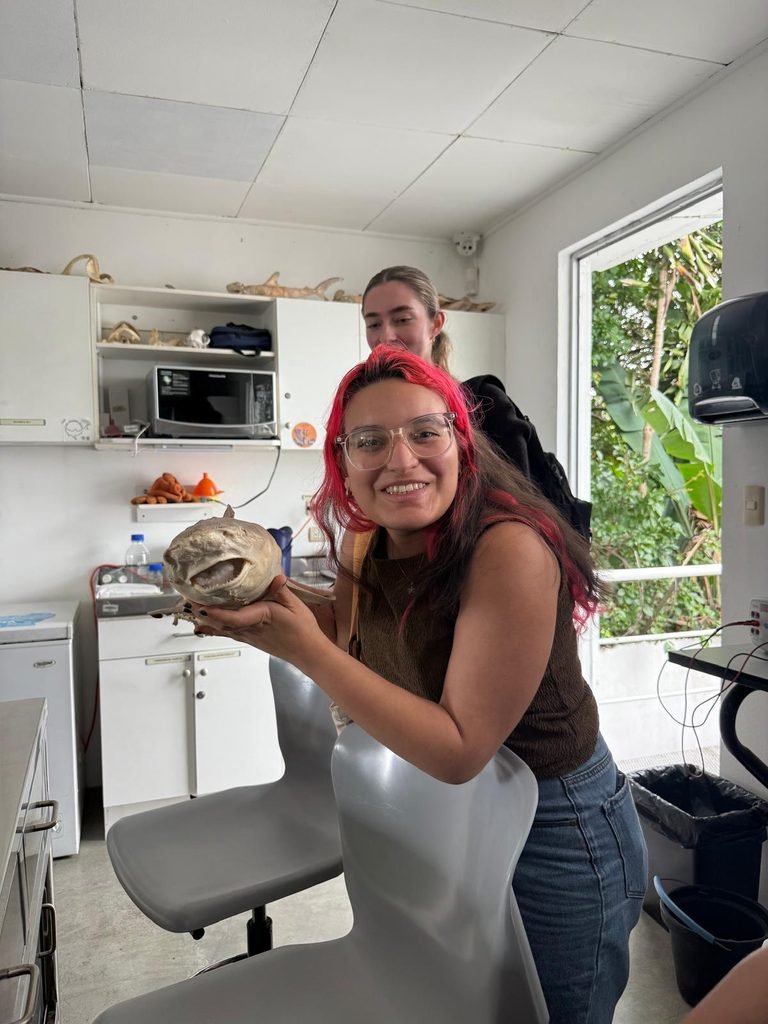
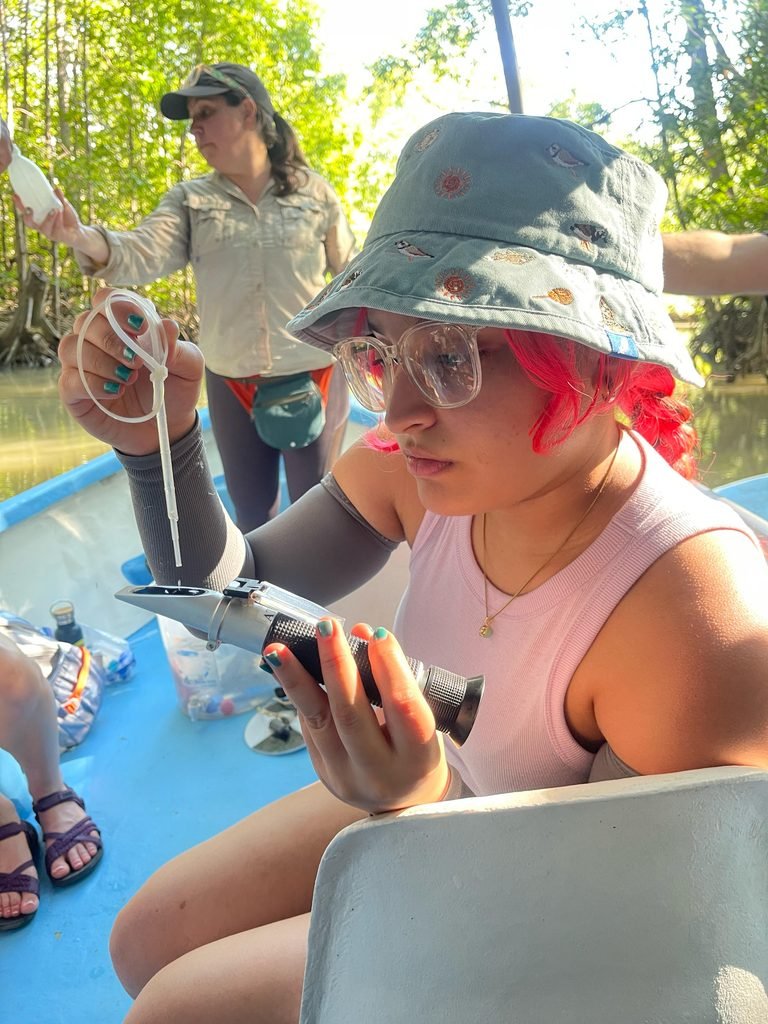
At the same time, the experience challenged her in ways she didn’t expect. Being in the water every day pushed her outside of her comfort zone.
That growth, both academic and personal, is what made the experience so meaningful. As someone planning to apply to graduate programs in animal behavior and conservation, Heaven knew she needed research experience, especially as a non-veterinary applicant.
“This gave me the kind of exposure I was missing,” she said. “It really strengthened my application.”
Beyond skills and credentials, the experience also expanded her perspective on what research can look like. It doesn’t always happen in a lab. Sometimes, it happens in the field, through observation, adaptability, and a willingness to engage with the unknown.
Research abroad reframes learning. It turns theory into lived experience, and in doing so, allows students to not only understand their field more deeply, but also discover where they fit within it.
Volunteering & Service Abroad: Learning Through Impact
While internships and research abroad often focus on building professional or academic experience, volunteering abroad asks something different of students. It shifts the focus from achievement to impact. From what you gain, to how you show up for others.
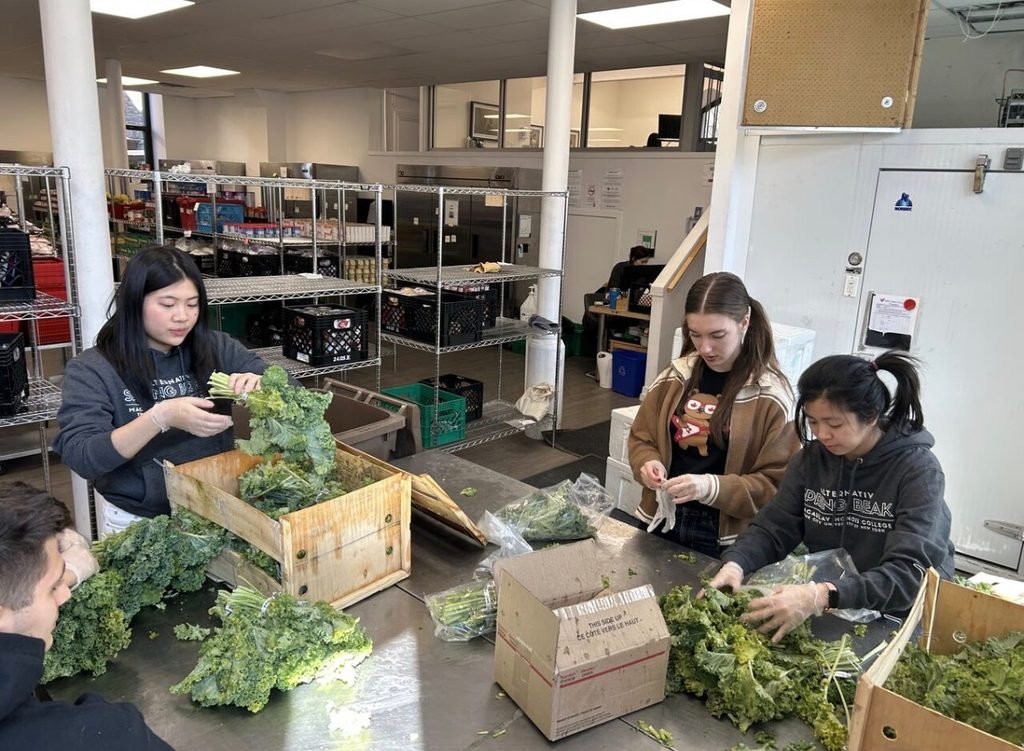
For Margot, a student at Brooklyn College majoring in TV, Radio, and Emerging Media with a minor in Journalism, that shift came during a service-based trip to Montreal, Canada. Over the course of the program, she worked across multiple community organizations addressing food insecurity and homelessness, from food pantries to shelters, all within a bilingual environment shaped by both French and English.
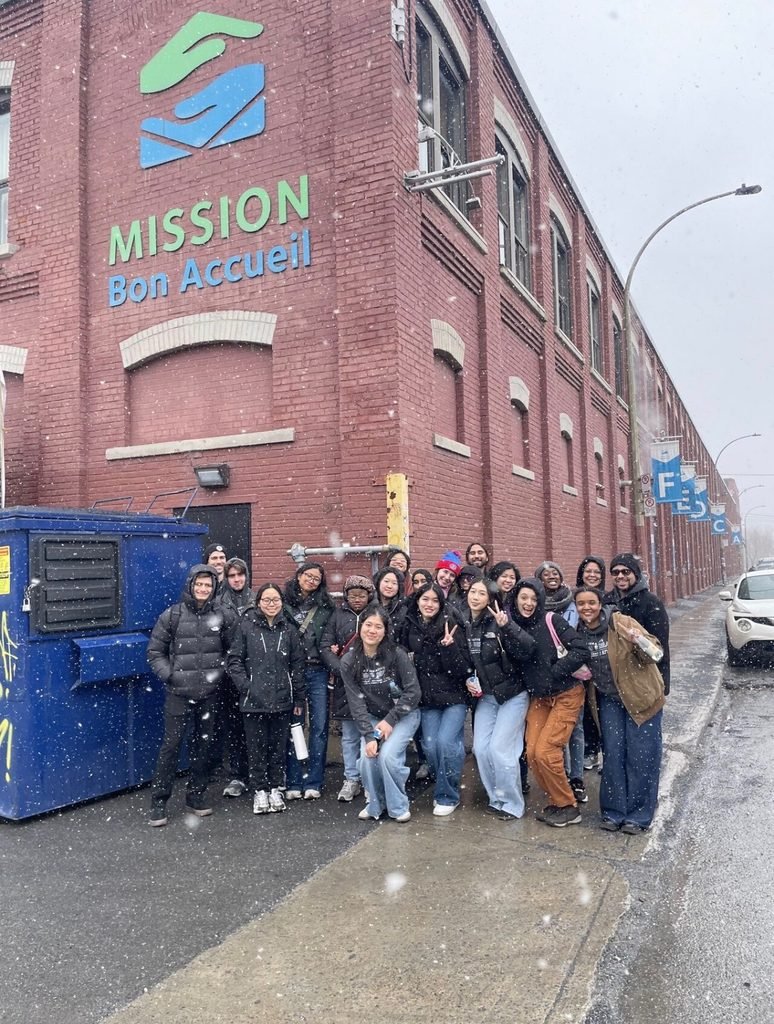
Each day brought something new. She helped serve meals in shelters, worked in a community grocery store, and participated in outreach efforts designed to support individuals experiencing homelessness. Being in a different country, navigating unfamiliar spaces, and stepping outside of her comfort zone pushed her to become more independent and open-minded. But it also sharpened her awareness of issues she had seen before, just in a different context.
“We see homelessness in New York all the time,” she said. “But seeing it in another city, in the underground parts of Montreal, it made me think about it differently. It made me more aware and more empathetic to what people are going through.”
One of the most impactful moments came during a visit to a local organization that provides end-of-life care for individuals experiencing homelessness.
“They created a space where people who were very sick and near death could pass away with dignity,” she explained. “There was a chapel, services to honor their lives, even art and music activities. It really stuck with me. It showed me a level of care and humanity I hadn’t thought about before.”
Experiences like this are what define volunteering abroad. They’re not always easy, and they’re not meant to be. They challenge students to confront difficult realities, to listen more than they speak, and to understand communities on their own terms.
For Margot, the experience also reshaped how she thinks about her future. As a journalism student, she now feels a stronger pull toward storytelling that highlights real-world issues. “It made me want to travel more and bring attention to these kinds of stories,” she said. “As someone in journalism, I want to shed light on issues like this and share perspectives that people might not always see.”
Her advice to students considering volunteering abroad is simple: go in with an open mind.
“You have to be willing to learn and not judge what you don’t understand right away,” she said. “It’s a different environment, and that’s the whole point.”
Volunteering abroad isn’t just about giving back. It’s about learning how to show up in unfamiliar spaces, how to listen with intention, and how to engage with the world in a more thoughtful and human way.
Redefining What It Means to Go Abroad
What these experiences (internships, research, and service) show is that going abroad is less about where you are, and more about how you engage with where you are.
In many ways, these experiences can be even more transformative. They’re often more focused, more intentional, and more closely tied to your academic and career interests. They also ask more of you. You have to be open-minded. You have to be adaptable. You have to be willing to listen, to learn, and sometimes to unlearn.
At the end of the day, going abroad isn’t defined by the program you choose or the location you go to. It’s defined by the experience you create for yourself: what you take from it, how it shapes you, and how it influences what you choose to do next. Going abroad isn’t just about leaving home. It’s about returning with a new understanding of the world and your place in it.
Where to Start
For many students, the hardest part of going abroad isn’t the experience itself, it’s figuring out how to begin.
These opportunities can feel overwhelming at first. There are different types of programs, application processes, funding concerns, and timelines to navigate. It’s easy to assume that these experiences are out of reach, or that you need everything figured out before you even start looking.
You don’t.
The first step is simply starting where you are. Talk to your campus resources: your career center, study abroad office, or professors. Many of these programs are more accessible than they seem, and there are often advisors whose entire role is to help you navigate them.
It also helps to be intentional about what you’re looking for. Are you trying to gain professional experience? Explore research? Make an impact through service? Once you understand what you want to get out of the experience, it becomes much easier to narrow down the right opportunities.
Funding is often one of the biggest concerns. Many programs offer scholarships, stipends, or financial aid, and there are external awards, like Gilman and other fellowships, that are specifically designed to support students pursuing experiences abroad. Applying might feel intimidating, but as many students will tell you, it’s often more accessible than expected.
Reaching out to other students who have gone abroad can also make a huge difference. Hearing firsthand experiences on what they did, what they learned, what they wish they knew can make these opportunities feel more real and more attainable.
At the end of the day, there’s no single “right” way to go abroad. The path looks different for everyone. What matters most is being curious, staying open, and taking that first step forward.
Because more often than not, the opportunities that shape you the most are the ones you almost didn’t apply for.
About the Author
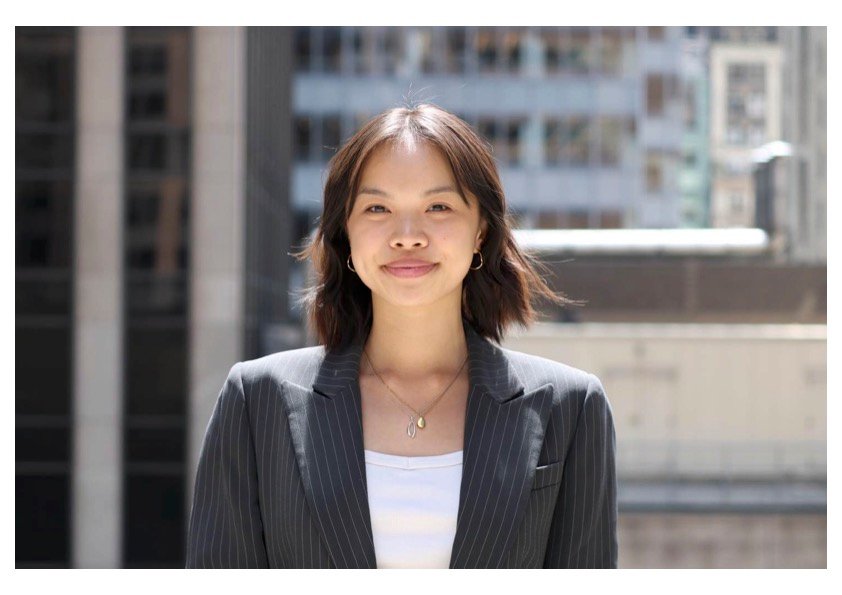
Amy Feng Zhang attends Baruch College and is majoring in marketing management with a double minor in journalism and NYC studies. She’s been a contributing writer at for theHIPE since September 2025, covering stories focused on community engagement, campus initiatives, and student achievement.