By: Rajan Kukaleshi
Cancer exists in nearly every community, taking the lives of over 600,000 individuals in the US every year. Although its impact goes beyond scientific knowledge, understanding the science behind cancer is important for anyone who hopes to lead a healthier life. As a pre-medical student who has lost loved ones to cancer before, expanding my horizons on cancer-related topics is one of the main missions of my academic journey.
With this mission in mind, participating in Columbia University’s Herbert Irving Comprehensive Cancer Center Scientific Enrichment Month (SEM) was one of the most influential extracurricular activities I have ever had the honor of partaking in. At Columbia University, Scientific Enrichment Month is a free, month-long educational initiative designed to promote scientific curiosity, community engagement, and early exposure to cancer and public health research. Taking place in July of each year, students have multiple opportunities to learn directly from professionals in the field. Having initially heard about this opportunity from a peer who had previously completed the program, I was curious to know more. Moreover, discovering that the program is open to all high school and undergraduate students, and even middle schoolers, who are interested in learning more about cancer, I quickly submitted the interest form, which is updated on a yearly basis.
Program Overview
After completing the registration form, which is accessible from March 2nd to June 19th of 2026 on the Columbia University website, students can expect to hear back from the team shortly before the first session of the program. The program runs every Monday, Tuesday, and Wednesday of the month of July, making participation very manageable even for students who are working or attending school over the summer. Sessions are held entirely on Zoom, allowing students to attend without the problem of commuting.
Although the organization of the program varies slightly each year, previously discussed topics include cancer health equity, prevention, risk reduction, epigenetics among other discussion fields. The type of sessions also vary from simple workshops, seminars, to guest lectures, which expose students to the experience of professionals who have dedicated their lives to cancer research.
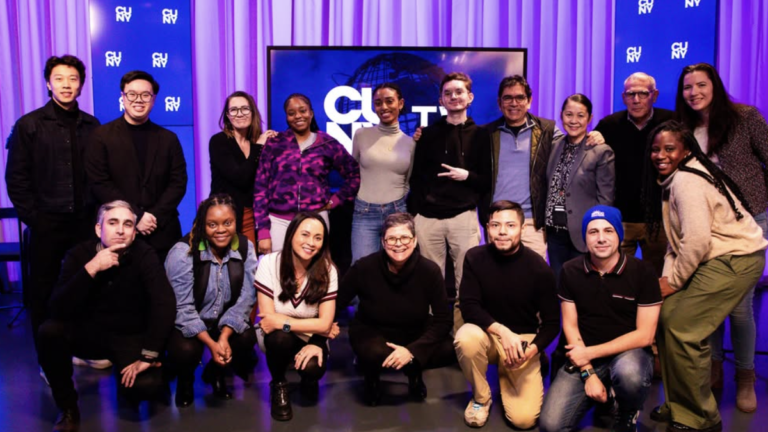
Perhaps one of the most influential parts of Scientific Enrichment Month was the peer groups. Towards the end of the month, we were given the choice to join a peer-mediated group to conduct brief research on a topic of our own choosing. The options varied from tobacco use, nutrition, physical activity, cancer genetics, and even genetic counseling. I decided to join the skin cancer prevention group, where we conducted research and crafted a presentation about the ABCDEs of Melanoma. Working in these smaller groups made discussions more interactive and gave everyone a chance to contribute ideas, ask questions, and learn collaboratively.
Final Reflection
Scientific Enrichment Month offers a wide range of benefits for both undergraduate and high school students. Besides gaining exposure to scientific research and a network of professionals, students can also earn a completion certificate if they maintain consistent attendance. If participants choose to enroll in a group and present their findings, they can also earn community service hours, an achievement that can be useful for one’s resume, job applications, interviews, internships, etc.
Additionally, if students are interested in further developing their interest in cancer research, they are welcome to apply to Yes in the Heights, a research internship offered by Columbia University for undergraduate students. Students who have completed SEM receive priority when considering applying to “Yes in the Heights”, serving as an incentive for students to build on their experiences and remain engaged beyond the summer.